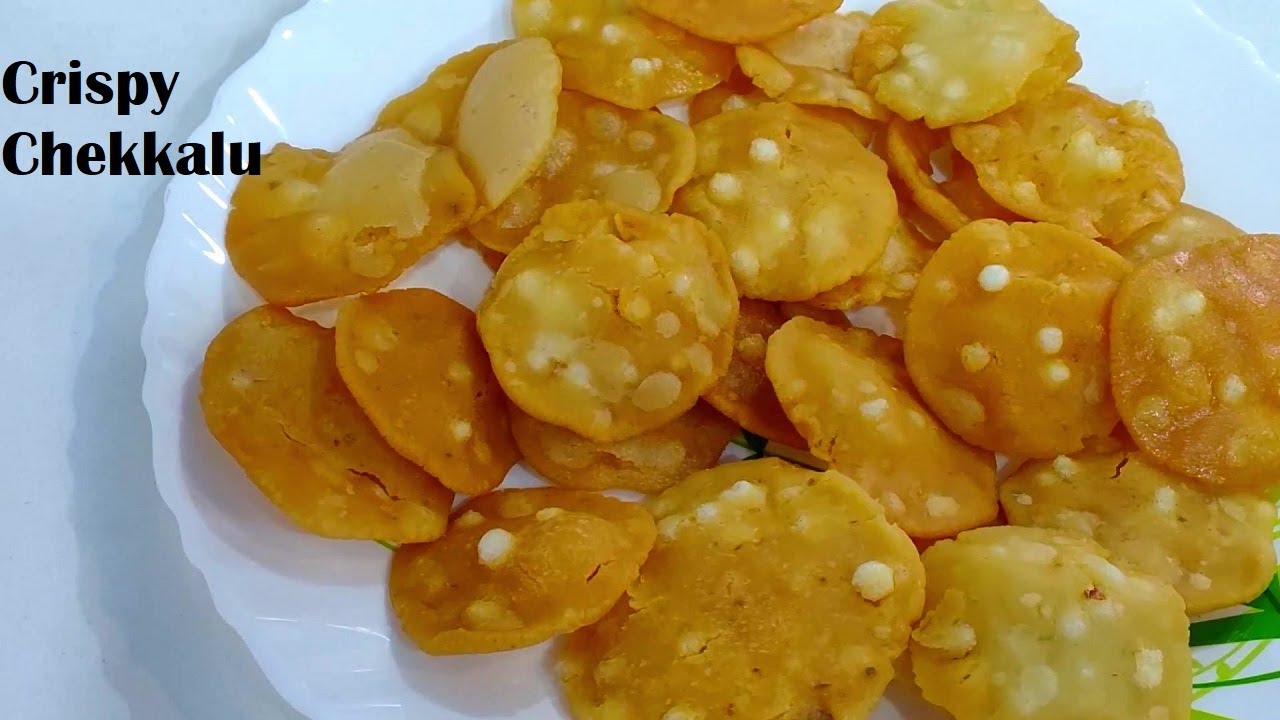
Saggubiyyam Chekkalu Recipe
Saggubiyyam Chekkalu is a popular South Indian snack known for its irresistible crunch and rich, savory flavor. Made primarily with sago (tapioca pearls), rice flour, and aromatic spices, this traditional tea-time treat is especially loved in Andhra and Telangana households. At VJM Foods in Ameerpet, Hyderabad, we bring you authentic homemade-style recipes that reflect the true taste of South Indian cuisine. Whether you’re preparing snacks for festivals, family gatherings, or simply craving something crunchy, this easy Saggubiyyam Chekkalu recipe is a must-try.
To prepare Saggubiyyam Chekkalu, begin by soaking 1 cup of sago (saggubiyyam) in water for about 4–5 hours or until they soften completely. Once soaked, drain any excess water and mix the sago with 1 cup of rice flour in a large bowl. Add finely chopped onions, green chilies, curry leaves, ginger, cumin seeds, and salt to taste. For extra flavor, you can also include crushed peanuts or sesame seeds. Gradually add water and knead the mixture into a soft dough, ensuring it is not too sticky or too dry.
Next, divide the dough into small portions and flatten each portion into thin discs (chekkalu) using your hands or by pressing between greased plastic sheets. Heat oil in a deep frying pan over medium flame. Carefully slide the prepared discs into hot oil and fry them until they turn golden brown and crispy. Make sure to fry in batches and maintain consistent oil temperature for even cooking. Once done, remove and place them on paper towels to absorb excess oil.
Saggubiyyam Chekkalu pairs perfectly with a hot cup of tea or coffee and can be stored in airtight containers for several days without losing its crunch. This traditional Andhra snack is not only easy to make but also customizable to suit your spice preferences. At VJM Foods, we specialize in delivering authentic South Indian flavors through our pickle recipes and catering services, ensuring every bite reminds you of home-cooked goodness. Try this crispy delight today and experience the rich culinary heritage of South India!


Leave a Reply